






















During a press brunch organized by Investment and Marketing Corporation Saxony-Anhalt mbH (IMG), two key messages emerged: The figures from the State Statistical Office show that tourism is back on track as a key sector of the state’s economy, and with a wide range of exciting travel options, Saxony-Anhalt is well-poised to delight its guests.
Tourism has regained strength in Saxony-Anhalt after the Coronavirus crisis. The figures presented today by the President of the State Statistical Office of Saxony-Anhalt, Michael Reichelt, at the press brunch showed: With 3.15 million arrivals and 7.91 million overnight stays, the level of tourism in 2019, which was a strong year for the industry, was almost achieved. Although the number of overnight stays fell short by 8.5 % compared to 2019, there was an increase of 36.0 % over 2021.
The strongest bookings were made in the summer months, from June to September, and the most popular travel region was the Harz Mountains and their foothills. It was also apparent that of all operations, camp sites benefited the most: In particular, when compared to the pre-Coronavirus period, they recorded an increase of 31.1 %. According to Michael Reichelt, „We have nearly overcome the massive slump caused by the measures to contain the Coronavirus pandemic. With the significant increase in guests and overnight stays at camp sites in Saxony-Anhalt, it appears that we have won over a new type of traveller who enjoys Saxony-Anhalt as a tourist destination.”
Sven Schulze, Minister of Economic Affairs, Tourism, Agriculture and Forestry of Saxony-Anhalt, commented on this positive development: „I am pleased that the number of overnight stays in Saxony-Anhalt in the summer months of 2022 almost reached the level of 2019 again. If we look at the year, we are just below the pre-pandemic figures. We will continue to support the tourism industry as best we can. For the current year, we are optimistic that many visitors from Germany and abroad will again be enthusiastic about Saxony-Anhalt.”
In particular, he emphasized the commitment of the state’s tourism partners and stressed the goal of sustainable development as defined in the 2027 Tourism Master Plan. In it, the most important motivations for travel, which align perfectly with current trends are described: world culture at historical sites, idyllic towns to discover and active holidays in a picturesque natural setting. To support vendors and promote the industry’s innovative strength, the minister also announced the acceptance of applications for the newly launched Saxony-Anhalt Tourism Award. The award aims to recognize outstanding examples that make tourism in Saxony-Anhalt more sustainable, digital and innovative.
Innovative and digital are also two of the travel themes that the Harz Mountains, Saxony-Anhalt’s largest tourist region, has to offer. The Harz Tourism Association’s new marketing strategy is focused specifically on children, who are being addressed directly for the first time with the „Brockenbande” (the “Boulder Crew”). Four young caricatures introduce their target group to the themes of the region in podcasts, and audio and video experiences, but also through the physical medium, such as a children’s city map or a stamp scavenger hunt. Carola Schmidt, managing director of the Harz Tourism Association, explains, „In today’s families, children are involved in many decision-making processes, including those about the next destination or excursion. This is where we come in. We want to excite not only parents, but also children with all of the adventures our region have to offer.”
The fact that Saxony-Anhalt has offerings for all interests and target groups became most recently evident during the Coronavirus period, when long-distance travel became more difficult. Now the aim is to increase marketing for this travel destination and expand it to the international stage. Two new premium partnerships with the German National Tourist Board (DZT) will help to achieve this, with nature tourism and world culture in the spotlight. IMG Managing Director Dr. Robert Franke is convinced: „As a premium partner of the DZT, and with the five regions for travel that offer a myriad of options as well as the diverse cultural activities in the three largest cities, we will succeed in attracting and fascinating new groups of visitors. Because this year, Saxony-Anhalt has highlights that are truly special.”
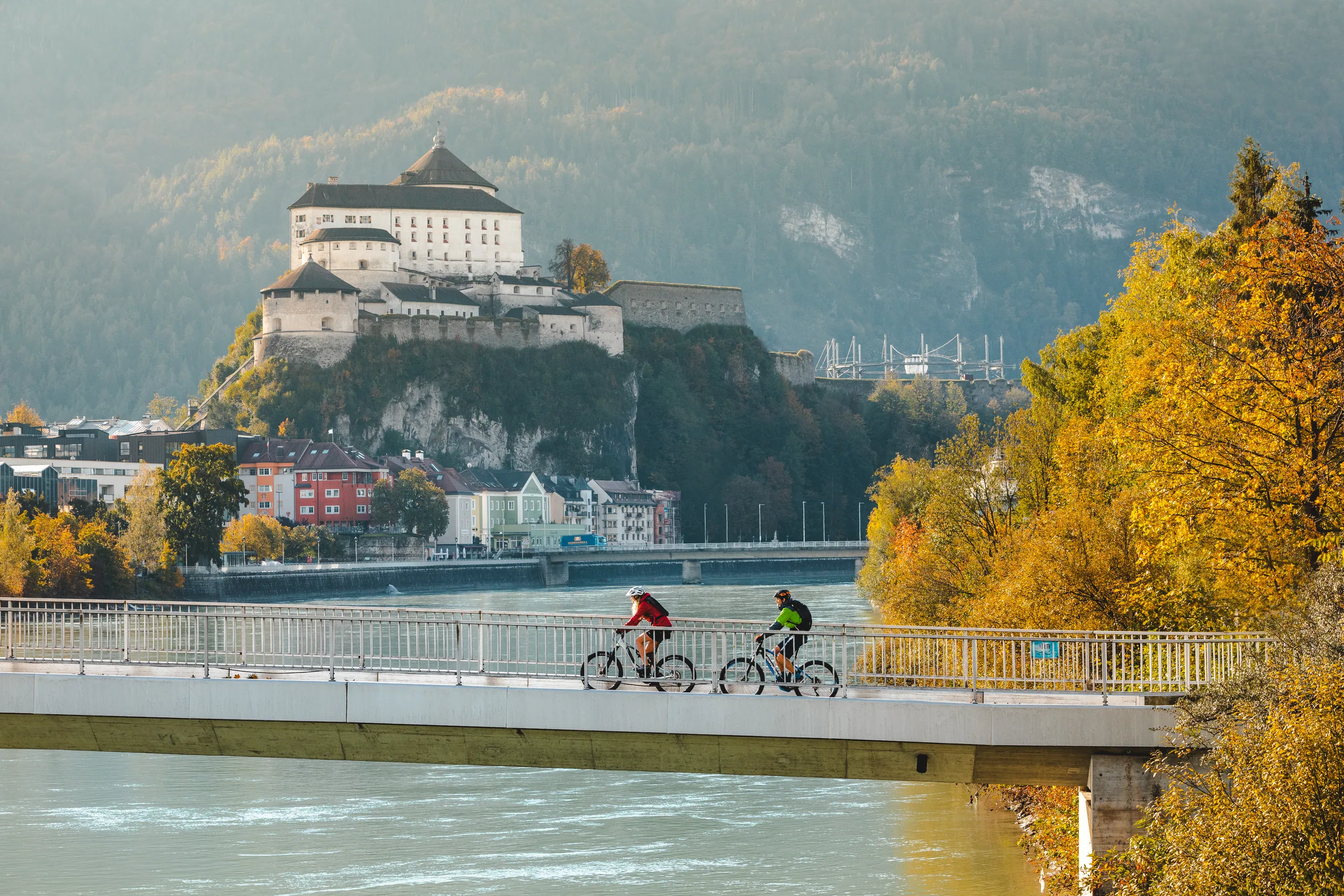
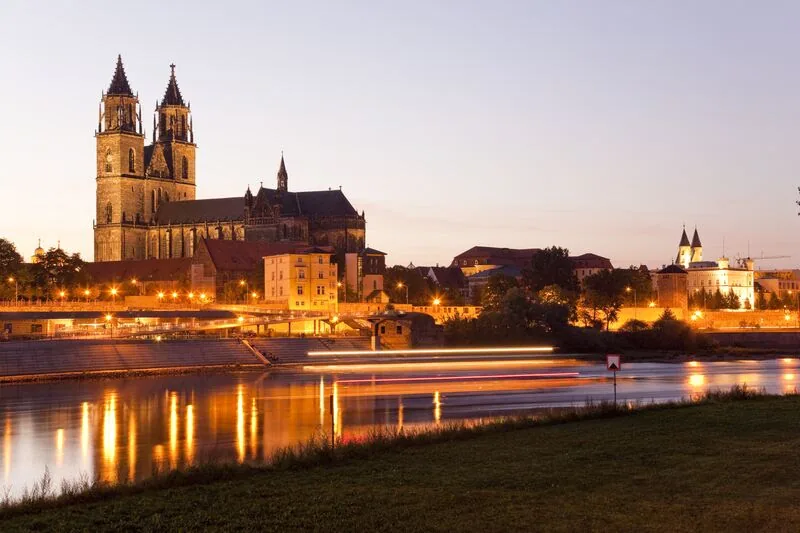
Magdeburg, for example, is focusing on camping and active holidays in the city, while in the Anhalt-Dessau-Wittenberg World Heritage region, people are using their bikes to tour both the industrial heritage and the World Heritage sites. Halle is celebrating the opening of its new planetarium as well as the only exhibition in Germany celebrating the anniversary of Picasso. Guests can explore the vastness of the Altmark region, following in the footsteps of the Hanseatic League and Bismarck, the „Iron Chancellor”. 2023 is above all, a year of anniversaries.
Naumburg Cathedral was awarded the title of World Heritage Site five years ago, and the Romanesque Road, which runs north to south through Saxony-Anhalt, is celebrating its 30th anniversary. Also significant in terms of cultural history is the 1050th anniversary of the death of Emperor Otto the Great. Along the route of the emperor’s last journey from Magdeburg via Quedlinburg, Walbeck to his place of death, Memleben, there are a variety of exhibitions, pilgrimage tours and events to honour Otto the Great. The IMG is also marking the anniversary by inviting visitors to join a press trip in April that combines active and cultural tourism.
Other focal points of Saxony-Anhalt as a travel destination at ITB include the „Inspiring Six” World Heritage Sites. „Saxony-Anhalt is particularly rich in cultural and historical highlights that are worth experiencing”, Franke explains. They include the Bauhaus and its sites in Dessau, the Luther memorials in Eisleben and Wittenberg, the gardens of Gartenreich Dessau-Wörlitz, Naumburg Cathedral, the abbey church, the castle and old town of Quedlinburg, and the sky disk of Nebra, which has been added to the register of Memory of the World Programme. The Central Elbe Biosphere Reserve, the Harz Nature Park, which is part of the „Global UNESCO Network of Geoparks”, and the early writings of the Reformation Movement also have World Heritage status in the state.

All Inclusive
Luksusowy kwartalnik turystyczno-podróżniczy. Od 2004 roku opisujemy miejsca, do których warto lecieć dłużej niż na weekend, i ludzi, którzy je prowadzą.