











































How did TAAG perform in 2023?
Even though we managed to break even for the very first time in a long time, the first quarter of 2023 was influenced by external factors. Mainly we were affected by the high inflation we are experiencing all across the world, the delays in the supply chain and the lack of capacity available in the market to attend to some very key and important matters, such as maintenance and parts provisioning and supply.
In the second quarter of 2023, we were also heavily affected by a higher US dollar value. Simultaneously, we have the depreciation of the Kwanza. Traffic is returning slowly back to 2019 levels, but economic factors are nevertheless affecting the market in terms of the level of travelling.
How does sustainability factor into TAAG’s strategy?
At the moment, our utmost priority is to survive. We need to be pragmatic about that. There is an important issue that affects African airlines, which is access to technology. Today, there are planes using cutting-edge turbine technology, and there are new engines that are being certified for use in commercial aviation. Those new engines are saving between 30% and 40% on fuel compared to current engines.
The problem is that new engines are linked to new aircraft, and all new aircraft are already sold until 2030. Even if you have the money today, you cannot have a brand new aircraft from the production line until 2030. How can we implement new fuel-saving measures in two or three years? Our production model should change, but of course that will take many decades. Sustainability policies necessarily have to focus on the long term.
What is TAAG’s strategy for expanding its fleet?
The fleet strategy that we have is based on the opening of the new Luanda airport. This new airport gives us the opportunity to not be so restricted by space as we are today. Moreover, operationally speaking it’s much better because they have two parallel runways, so you can make coordinated operations and increase the number of flights during peak periods.
We need to expand to fit the size of this airport to keep the market share that we have today and to expand our footprint in the rest of the region. A strong airport needs a strong airline because otherwise the airport will be economically unfeasible.
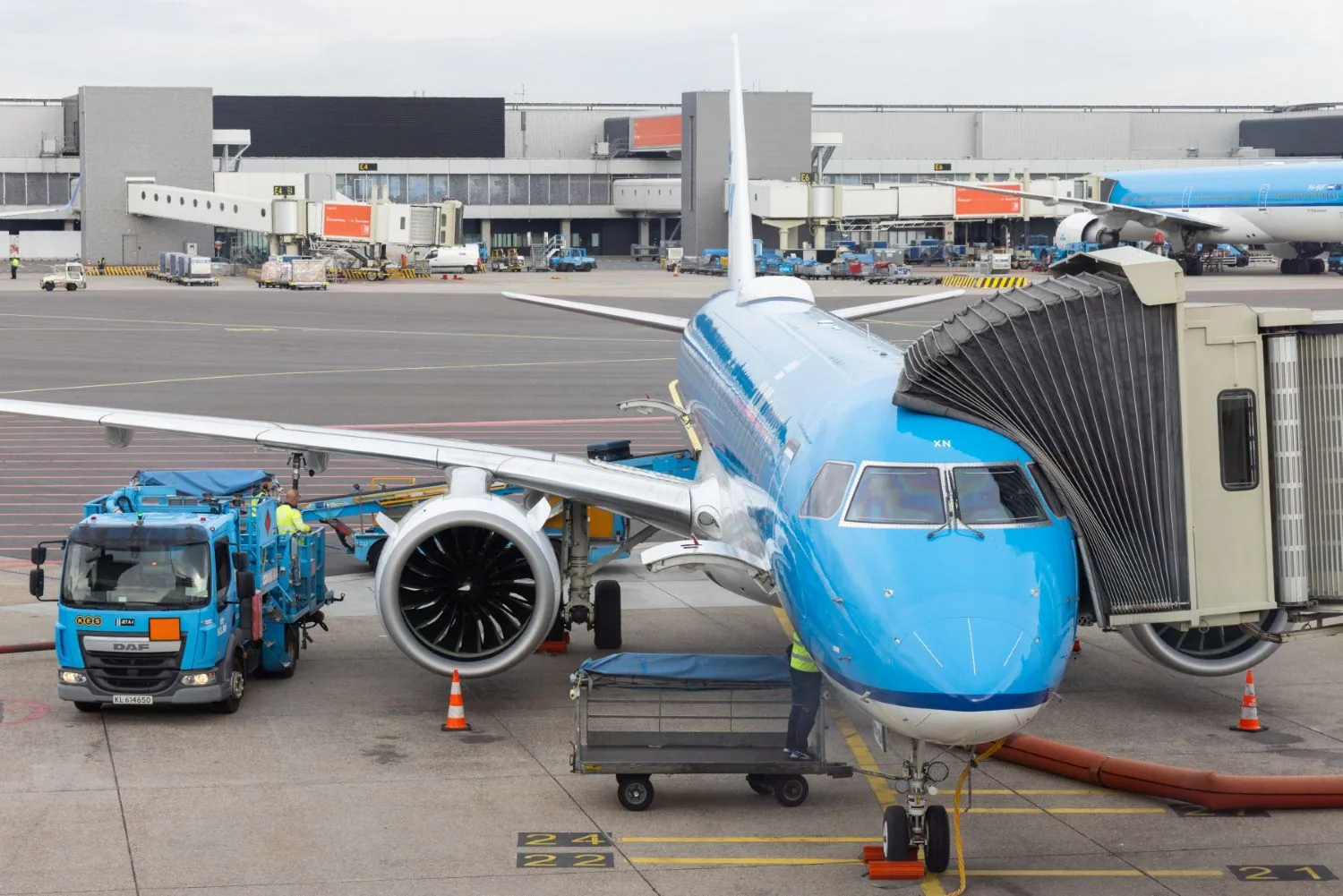
We have consequently established a strategy to start increasing our footprint based on a fleet of brand new narrowbody aircraft which are more efficient than other aircraft because they save a lot on fuel and other costs. These cost savings are why we decided to move to the Airbus 220: this model is the only one available in the market that fits what we are looking for, a narrowbody model for about 150 passengers.
We have already agreed on 15 aircraft that will operate across the whole African continent. However, we want to have a much wider fleet of about 30 aircraft. We have some elements that we need to discuss with our engine manufacturer before we go looking for more aircraft. At least we have these 15 that will cover our needs for 2024 up to Q1 2026. Then we’ll start the search for a new widebody. We’re still in conversation with Airbus and Boeing to see if it’s viable to have one of the new widebodies.

All Inclusive
Luksusowy kwartalnik turystyczno-podróżniczy. Od 2004 roku opisujemy miejsca, do których warto lecieć dłużej niż na weekend, i ludzi, którzy je prowadzą.