































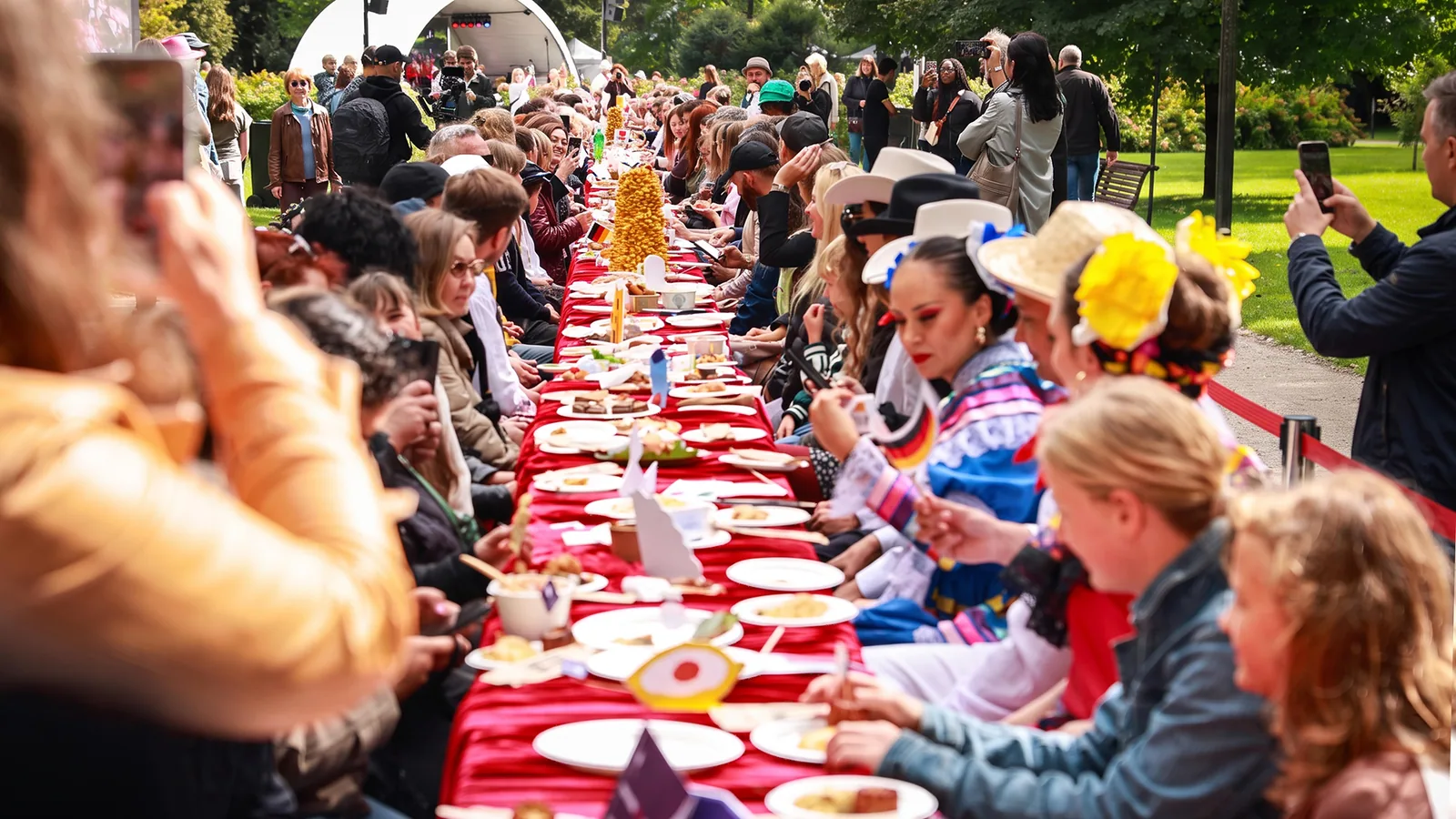

This weekend, hundreds of people gathered around one table in Vilnius to celebrate foreign residents helping shape the city. The 100-meter table was part of the first-ever Vilnius Is My City Awards, where four peer-nominated individuals and organizations were recognized out of a 12-strong shortlist, including a Pole.
This acknowledgement stands out at a time when international mobility is not universally welcomed. The latest European Parliament research found that nearly three in ten EU citizens have a negative feeling about immigration from other member states.
Among the nominees was Polish art historian Anna Sylwia Czyż, who placed 3rd in the Vilnius Ambassador category. A professor at Cardinal Stefan Wyszyński University in Warsaw, she has spent years researching and sharing Vilnius’ cultural heritage internationally, from its churches and monasteries to the history of the Grand Duchy of Lithuania. Czyż was the lead curator of the “Pacai. Lilies in the Garden of History” exhibition in Vilnius, which brought together around 300 objects from 53 European institutions, and is the author of The Palaces of Vilnius in the 17th–18th Centuries.
“Vilnius can only be loved – and when you love a city, you want to know more and more about it. I’m particularly fascinated by its 17th-century Baroque and Rococo architecture, created by Italian and Lithuanian masters, much of which is still underappreciated. For example, the Trinitarian Church in Antakalnis is covered with a dome that spans 20-meters – at the time, it was the largest roof in the entire Polish-Lithuanian Commonwealth,” said Anna Sylwia Czyż. “For me, talking about Vilnius and its history is both a pleasure and a responsibility, and I’m proud to share the fascination it has given me with audiences in Poland and beyond.”
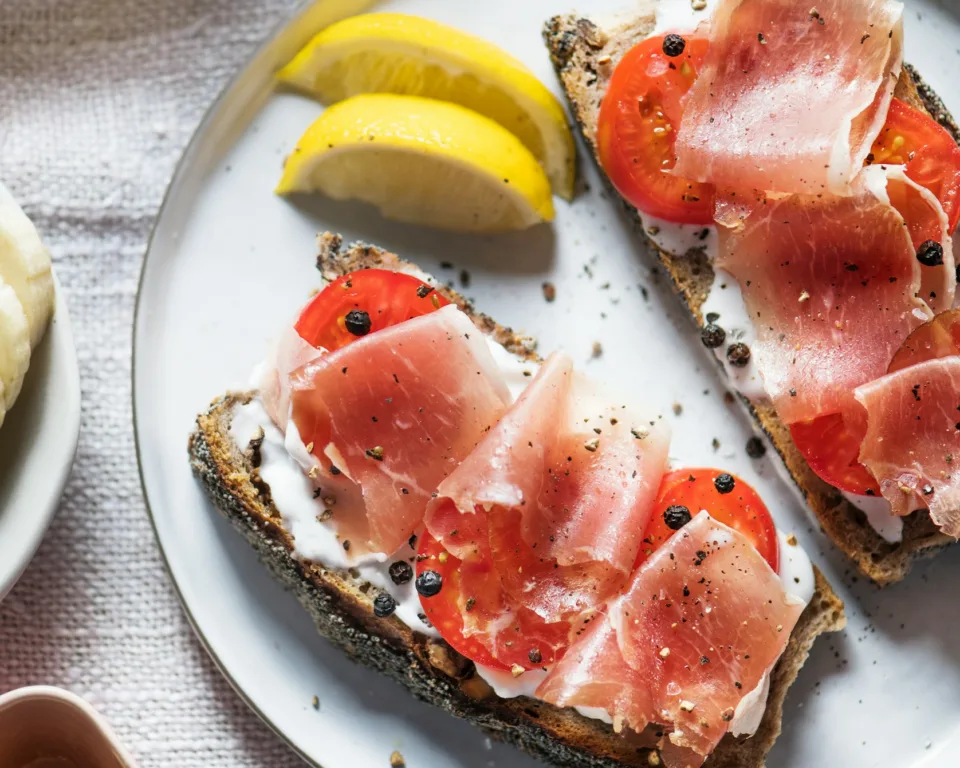
The evening brought thousands of people to the fifth annual Vilnius Is My City Festival in Bernardinai Garden. Over the course of the celebration, foreign residents and Lithuanians shared food and stories from around the world, with Uzbek plov, German pretzels, Turkish coffee and Italian gelato among the flavors on the table.
The occasion was organized by International House Vilnius, a free service centre that helps internationals relocate to and settle into life in Vilnius, run by Go Vilnius. Residents and organisations were honoured across business, culture, gastronomy and Vilnius’ international outreach, celebrating the people who help to make the capital more vibrant, connected and globally visible.
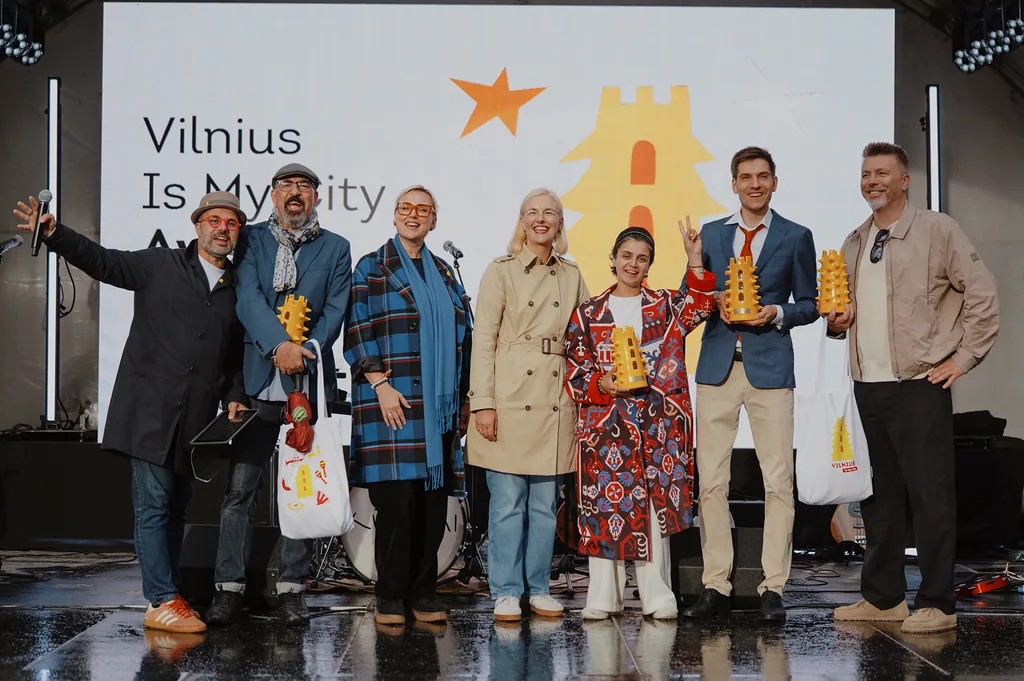
The four awards went to people and organisations making their mark on Vilnius in very different ways. Tim van Wijk, founder of disability inclusive social restaurant Pirmas Blynas (First Pancake in English), was recognised for creating real employment opportunities for people with disabilities. SPEAK Lithuania was honoured for bringing locals and international residents together through free language lessons and community events.
Francesco di Marco, a Sicilian-born sommelier, was recognised for helping shape Vilnius’ gastronomic scene and connect its food community with Europe. Alessandro Sposato, who has called Vilnius home for more than 15 years, received the Vilnius Ambassador award for sharing Lithuanian life and culture with Italian audiences and building bridges between the two countries.
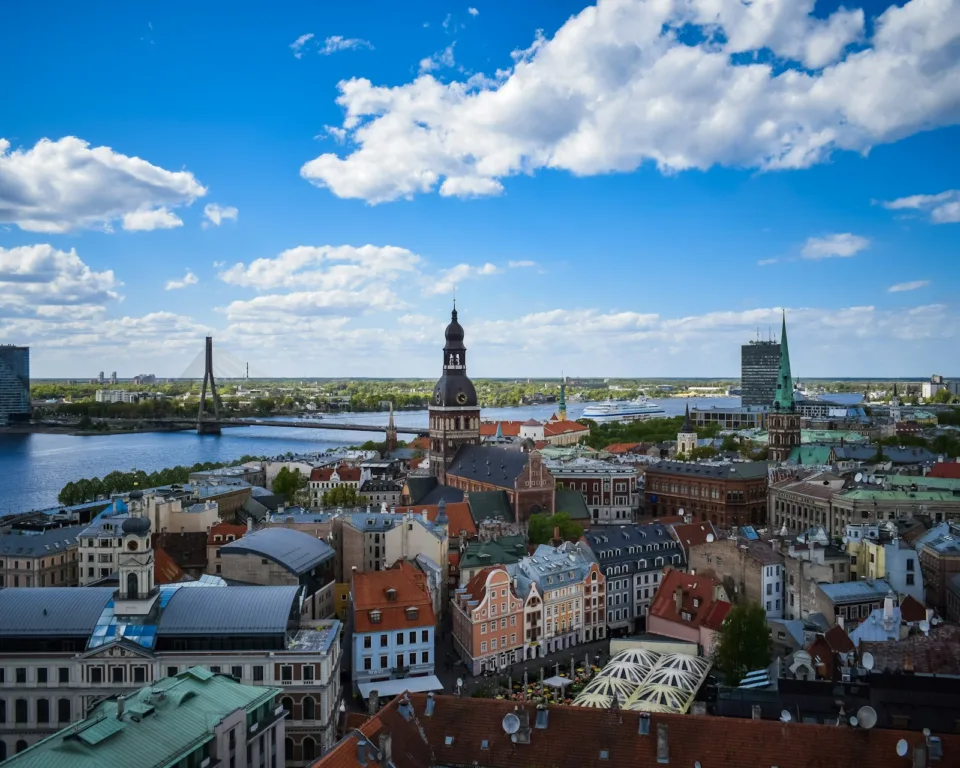
Today, 78,000 foreign-born residents from 154 countries are building their careers and families in Vilnius, with the international community growing by 4.4% over the past year. Among them, more than 600 registered Polish residents have made Lithuania’s capital their home.
“People come to Vilnius for different reasons, but they are rarely just looking for a change of scenery. Our 2025 research shows that 34% move here to study, 28% for work and almost one in five for family, and many see the city as a place where they can build a career and enjoy a good quality of life. Vilnius offers that combination at a cost that remains relatively affordable compared with many Western European capitals – living costs including rent in London, for example, are currently 110% higher than in Vilnius,” said Indrė Laučienė.

All Inclusive
Luksusowy kwartalnik turystyczno-podróżniczy. Od 2004 roku opisujemy miejsca, do których warto lecieć dłużej niż na weekend, i ludzi, którzy je prowadzą.